
Business branding is the process of defining your company’s purpose, look, voice, and promise, then using them the same way everywhere customers see you. It has seven parts: strategy, name, visual identity, voice, guidelines, customer experience, and consistency. Good business branding makes a company easier to remember and easier to trust, which supports higher prices.
Business branding is also the work of deciding who your business is, how it looks, and how it sounds. Then you show that same picture everywhere a customer meets you. That’s the short version. Below is the full one, with steps, costs, and a real example.
Let me start with a number. A 2021 Akeneo survey, as reported by Canva, found that 52% of people would pay more for products from companies that share their values. And 82% said they’d pay up to 30% extra. That is a lot of money riding on how a business shows up.
You might relate as an owner you do great work. Your business branding looks like an afterthought. So customers guess, and they guess low. Good news: you can fix that. Let’s go one part at a time!
I’ve always said that branding is a fancy word for reputation. And reputation runs on trust. Trust doesn’t get handed out. You earn it by showing up the same way, again and again. Most owners underestimate how long that takes.
What Is Business Branding?
Branding is how a company shapes what people think and feel about it. It covers your name, logo, colors, voice, and how you treat customers. Business branding happens all the time, whether you plan it or not.
Brandingmag, a trade site for branding pros, makes a sharp point: a reputation builds up whether a business works on it or not. Planning your business branding just means you steer it.
Picture a first impression at a cookout. You haven’t said a word yet. People have already decided if you seem easy to talk to. Your brand works the same way.
Here’s my take. You can’t force anyone to trust your business. You have to prove it over time. Your message, your position, and your actions should all match your values. When you say those values the same way each time, and then act on them, trust builds with the customers you want to reach. That is what business branding is really about.
Most owners think branding means the logo. A logo is only the part people can see. Branding also lives in the things you can’t touch:
- How you write and talk to people
- How you show up
- How you shake someone’s hand
- How you listen
- How you treat someone who can do nothing for you
- How you support other people
Your values and your standards drive all of it. The logo just signs off on them.
Here is what business branding usually includes:
- Your name and tagline
- Your logo and color choices
- Your fonts and photo style
- How you write and speak
- Your website, packaging, and signs
- How you answer emails and calls
Want the formal view? The American Marketing Association keeps a branding research hub worth bookmarking.
Business Branding vs. Marketing vs. Logo vs. Brand Identity
A logo is one piece of your brand identity. Brand identity is everything you design and control. Business branding is the whole process of shaping how people see you. Marketing is how you promote it. Owners mix these up often, and the mix-up wastes money.
| Term | What it means | Who controls it |
|---|---|---|
| Logo | The mark that stands for your business | You |
| Brand identity | Your logo, colors, fonts, images, and voice as one set | You |
| Business branding | The full process of shaping how people see and feel about you | You, plus your customers’ experience |
| Brand image | What customers actually think of you | Your customers |
| Marketing | Ads, email, social posts, and other ways to promote your business | You |
I break the identity side down in what a brand identity system includes.
Here’s where many business owners get stuck. They think about sales first. But before anyone buys, they have to notice you. That is brand awareness, and it takes steady effort.
You don’t need a huge push every day. You do need to keep showing up. Send emails. Hand out flyers. Run a Spotify ad. Post on social media. Knock on doors. Book a booth at an event. The channel matters less than the habit. Your sales system can’t work until people know you exist.
Why Branding Matters for Trust and Sales
Business branding matters because customers judge you before they ever talk to you. Clear business branding sets expectations, builds trust, and supports higher prices.
Here is what the research says:
- Price: 52% of surveyed shoppers said they would pay more for brands that share their values (Akeneo, via Canva).
- Consistency: Salesforce’s small business report points to revenue gains of up to 23% from consistent branding across platforms.
- Feeling seen: In that same report, 61% of customers said companies treat them like a number. A clear brand with a real voice helps close that gap.
Here’s a story from my own client work. I once built a website for a man who sold apparel to college sports fans. He met with an official at one campus. The official complimented his site.
When he told me about it, he sounded proud. He had always run his business with high standards. Now his site showed it. That polished look helped the official feel comfortable trusting him.
I took one thing from that. Good design does more than look nice. It helps people feel safe saying yes. When your look matches the quality of your work, customers and partners take you seriously much faster.
Business branding also helps behind the scenes. Brandingmag notes that employees who believe in the brand take more pride in their work, and happy customers send referrals.
Curious how this ties to revenue? I cover it in how branding increases sales.
The 7 Parts of Business Branding
Business branding has seven parts: strategy, name, visual identity, voice, guidelines, customer experience, and consistency.
Skip one, and the others start to wobble.
1. Brand Strategy
Brand strategy is your plan for who you serve, what you promise, and why you’re different. Everything else grows from it. I treat brand strategy as the first job on any project, before we start looking at colors to pick.
Answer these four questions:
- Why does your business exist?
- Who do you serve best?
- What do customers think of you today?
- What do you want them to think instead?
2. Business Name
Your name is the first thing people meet, so it should be easy to say, spell, and search. Try the phone test. Say it out loud to a friend. If they ask, “How do you spell that?”, think again. Also check that the web domain and social handles are free.
3. Visual Identity
Visual identity is the look of your business: logo, colors, fonts, and image style. People notice it first. If you want help here, my brand identity design work covers the whole set.
Keep these rules in mind:
- Pick one main color and one backup color.
- Choose two fonts at most.
- Make sure your logo works small, in black and white, and on dark backgrounds.
Building a logo yourself? My guide on how to design a business logo walks you through it.
4. Brand Voice and Messaging
Brand voice is how your business sounds in writing and in person. Friendly or formal? Playful or calm? Pick one lane and stay in it. Then write one sentence that says what you do and who it’s for. That sentence goes on your website, your bio, and your invoices.
5. Brand Guidelines
Brand guidelines are a short rulebook for your logo, colors, fonts, and voice. Without one, every new post and flyer turns into a guessing game. A simple guide fits on one page. You’ll build one in step 6 below.
6. Customer Experience
Customer experience is every moment a person deals with your business, from the first click to the last invoice. Your brand promise has to show up here too. Say your business branding promises “fast and friendly,” but emails sit for three days. Customers will believe the emails.
I’ve lived this on the customer side. In food service, one dismissive employee can sink a visit. Maybe they were having a bad day. I still don’t go back. I doubt I’m alone.
When the experience is bad enough, people go online and tell everyone, and that pushes anyone on the fence toward a competitor.
Good experiences work differently. Sometimes you have to pull teeth to get a happy customer to post. But when you go over the moon, people share it, and some will recommend you without being asked. That’s your brand at work, and no logo can do it for you.
7. Consistency
Consistency means showing the same brand, the same way, every time. It makes everything else pay off. When your look changes from place to place, people have a hard time trusting you. When it stays steady, they remember you faster.
I hold myself to the same rule. I get ideas all the time. I don’t act on every one. I pick what I believe in and stay with it, even when nobody comments. Someone might read my post or watch my video and never say a word. That still shapes how they see me.
I also don’t wait for the right mood. I work when I’m tired. I work when I’m nervous or unsure. My mood doesn’t get to decide whether I show up. That habit builds confidence, because I know my circumstances don’t run my actions.
When I’m not in the room, I want people to say I’m disciplined and I hold a high standard. I skip the word “passionate.” Passion comes and goes. Discipline gets the work done.
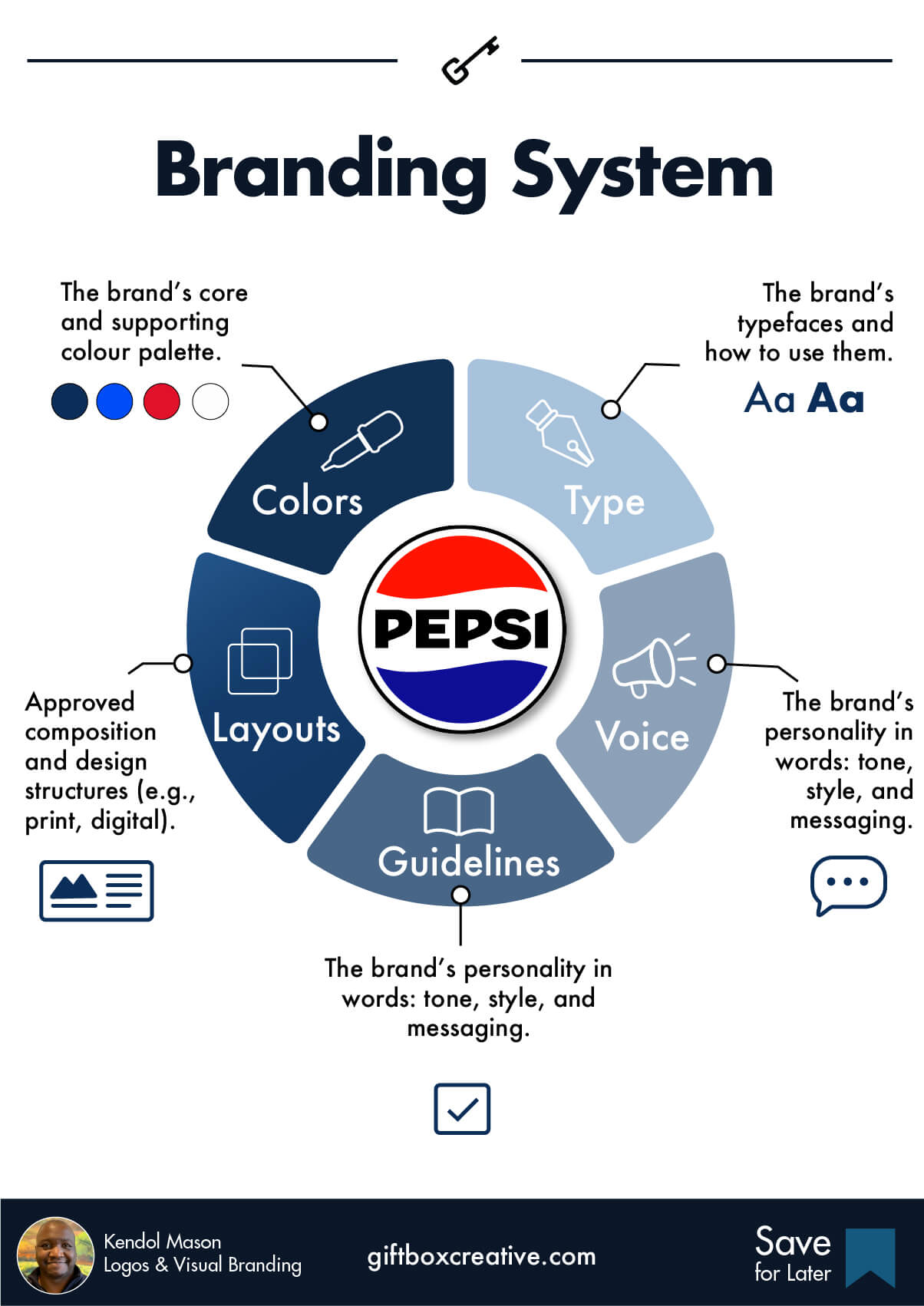
Why a Brand System Works Better Than a Logo Alone
A brand system is a set of connected parts that work together, so anyone on your team can make something that looks and sounds like you. A single logo can’t do that job.
Here’s the line I repeat to clients: a logo is the flag you plant, not the territory you claim. The flag marks your spot. The system is the land. It holds the colors, type, voice, layouts, and rules that make every piece feel like yours.
Here is how the two compare in real life:
| Situation | Logo only | Brand system |
|---|---|---|
| You post on social media | You guess at colors and fonts each time | You use set templates and a set palette |
| You hire a freelancer | You send a logo file and hope | You send a guide, and they match your look |
| You launch a new service | The new offer looks like a different company | The offer fits your look and voice |
| A team member makes slides | Every deck looks different | Everyone starts from the same template |
| You print a menu or flyer | You redesign from scratch | You reuse set layouts |
Business Branding Example: How Mailchimp Built a Brand With Personality
Mailchimp is a strong business branding example because it kept its quirky voice while it grew up. In 2018, the company updated its look with the design studio Collins, and the brand still felt like Mailchimp.
Fun fact for my Atlanta readers: Mailchimp started in Atlanta as a side project of a web design shop called Rocket Science Group.
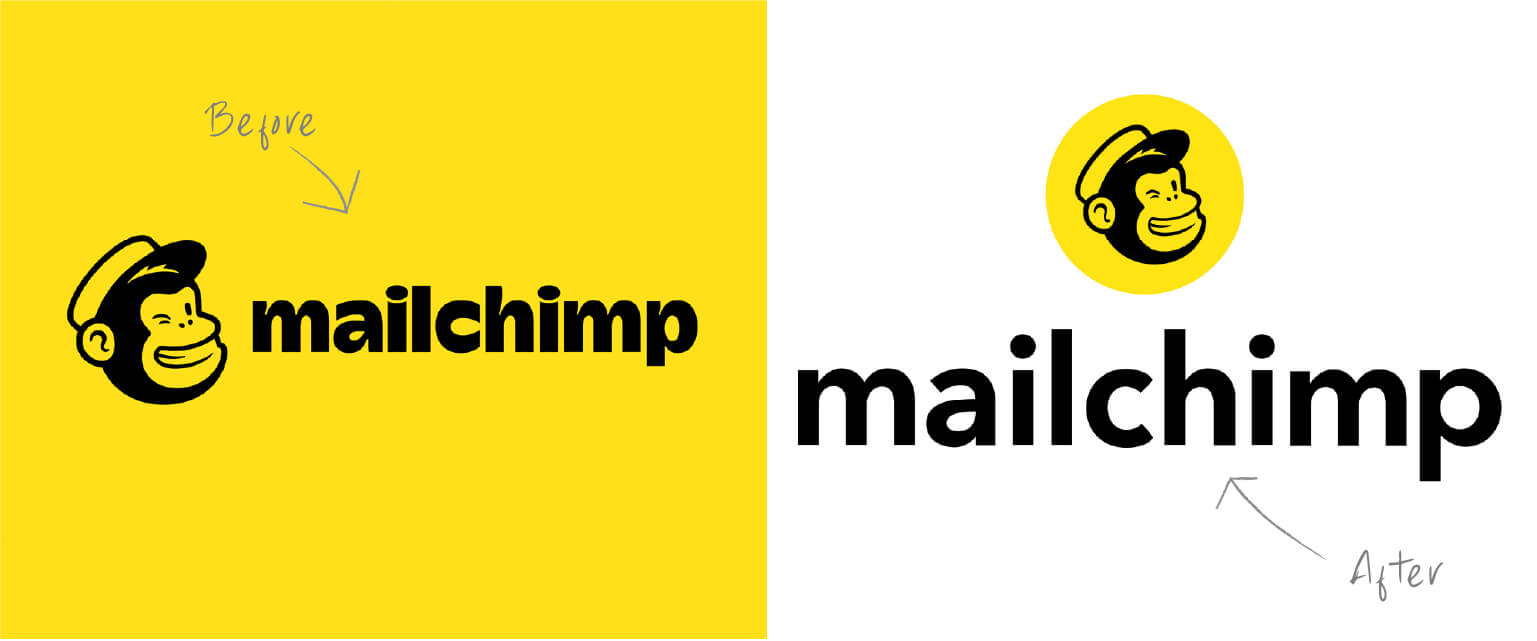
Here’s what changed and what stayed:
| Brand part | What Mailchimp did | What you can copy |
|---|---|---|
| Strategy | Moved its homepage message toward “Build Your Brand, Sell More Stuff” | Say what your customer gets, along with what you sell |
| Voice | Kept its warm, playful tone | Hold on to your personality as you grow |
| Mascot | Updated its chimp, Freddie, and kept him | Keep what people already love |
| Logo | Swapped a script wordmark for a chunky, slightly off-kilter one | Match your logo style to your voice |
| Color | Picked Cavendish Yellow as its main shade | Own one color |
| Type | Added a typeface called Cooper Light, based on Cooper Black | Pick a font that matches your tone |
| Illustration | Created an image style built around personal expression | Build a signature image style |
Sources: Creative Review and Dexigner.


You can copy their habit on any budget: pick a personality, then repeat it everywhere.
7 Signs Your Brand Needs Work
Your business branding needs work if people don’t get what you do fast, your look changes from place to place, or you look cheaper than your prices. These lines seem to come up often from owners. Check which ones sound like you.
| Sign | What it usually means | First fix |
|---|---|---|
| “People don’t get what I do.” | Your message is unclear | Write one sentence: who you help and how |
| “I look different everywhere.” | There are no brand rules | Make a one-page brand guide |
| “I look like I used a template.” | Nothing about your look is unique | Add a signature color, font pairing, and image style |
| “I look cheaper than I charge.” | Your visuals trail behind your service | Upgrade your identity before you raise prices |
| “Nobody remembers me.” | No visual or voice trait repeats | Pick one thing to repeat everywhere |
| “My logo breaks when it’s small or dark.” | The logo wasn’t built to flex | Get logo versions for light, dark, and small spaces |
| “My team keeps guessing.” | There are no guidelines or templates | Write guidelines and share templates |
If two or more fit, fix your business branding before you spend more on ads. Running a small shop? My guide to small business branding goes deeper on that.
If several of those signs hit home, relax. You’re in good company. I’ve talked with small shop owners and with CEOs of large companies. They’re all human.
Nobody has every answer, and many feel pressure to look certain. You don’t have to pretend. Take one step, then the next.
How to Build Your Business Branding in 8 Steps
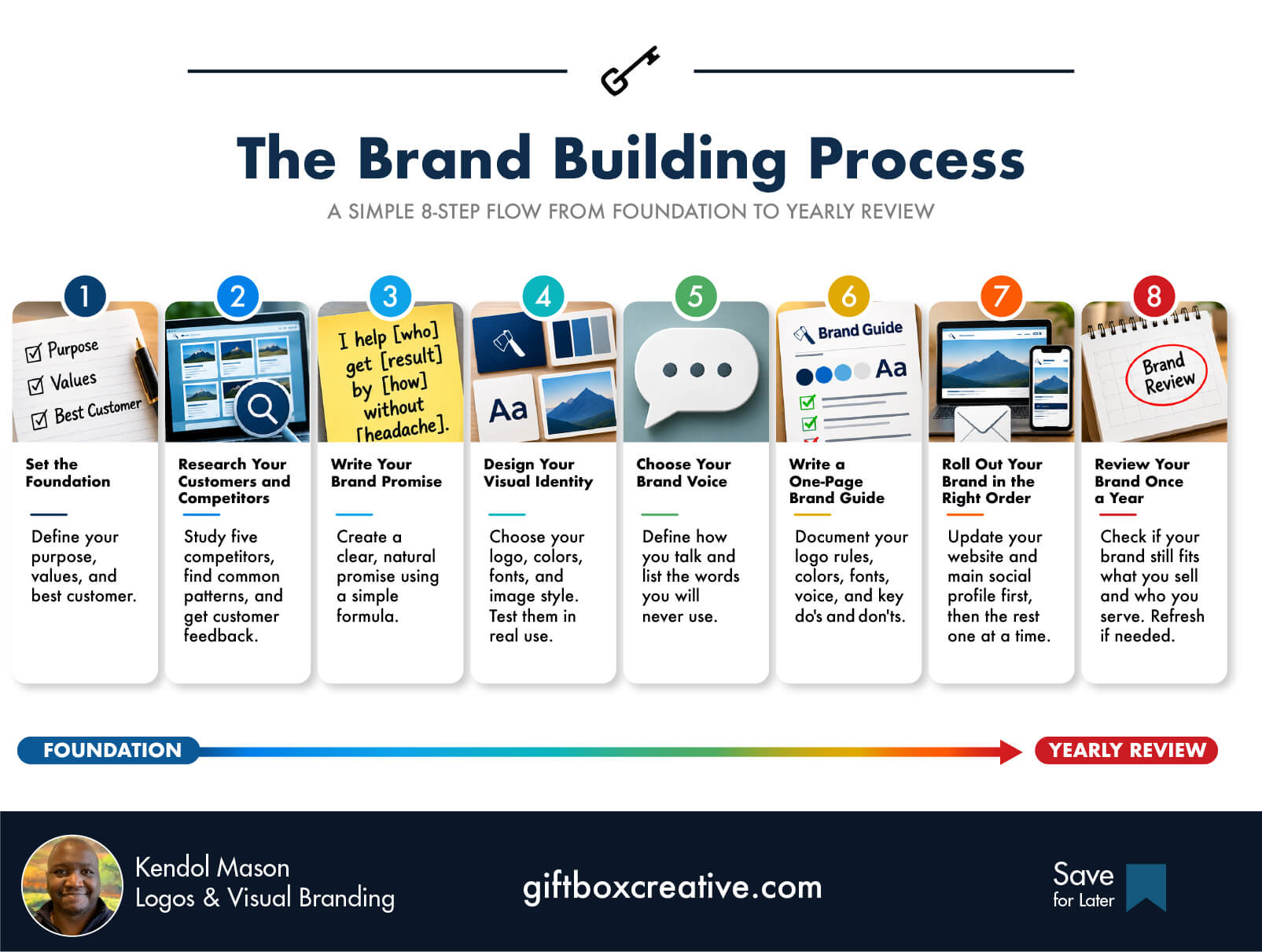
Step 1: Set the Foundation
Write down your purpose, your values, and your best customer. Keep it plain. Two or three sentences each is plenty.
Step 2: Research Your Customers and Competitors
Look at five competitors. Screenshot their sites and profiles. Note what they all do the same. That’s where you can stand out. Then ask three customers what words they’d use to describe you.
Step 3: Write Your Brand Promise
Use this formula: I help [who] get [result] by [how] without [biggest headache]. Say it out loud. If it sounds stiff, rewrite it until it sounds like you.
Step 4: Design Your Visual Identity
Pick your logo, colors, fonts, and image style. Test them in real places: a phone screen, a business card, a social profile photo. If they fall apart in any one, adjust.
Step 5: Choose Your Brand Voice
Write down how you talk. Then list the words you will never use. A simple example: ban the word “synergy” for good.
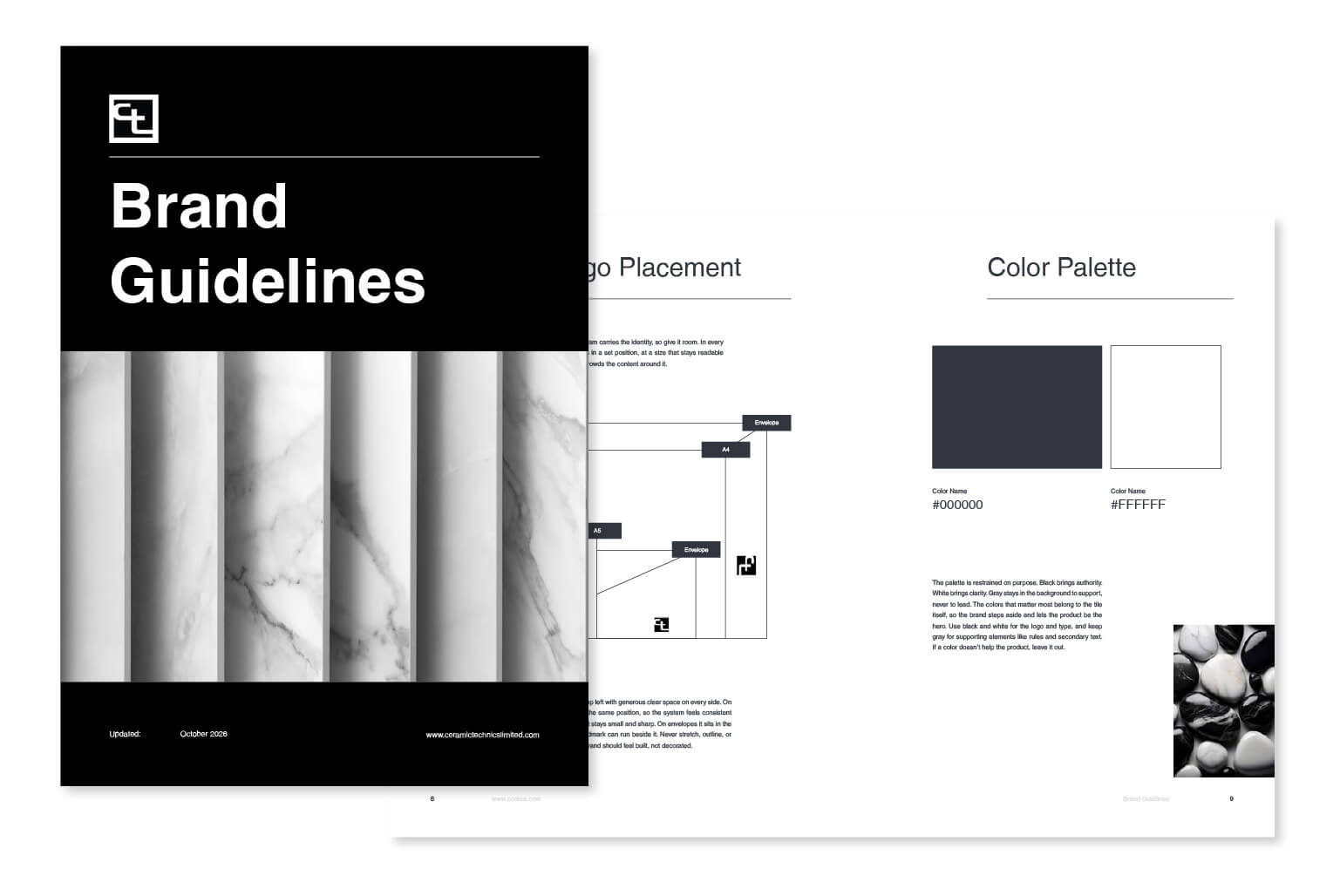
Step 6: Write a One-Page Brand Guide
Put your logo rules, colors (with codes), fonts, and voice notes on one page. Add a short list of do’s and don’ts. Share it with anyone who touches your brand.
Step 7: Roll Out Your Brand in the Right Order
Start where customers look first: your website and main social profile. Then update your email signature, invoices, proposals, and signs. Do one place at a time so nothing ends up half-finished.
Step 8: Review Your Brand Once a Year
Set a calendar reminder. Ask yourself: does my brand still match what I sell and who I serve? If not, refresh it. A refresh can be small, like new photos. It can also be big, like a new logo.
How to Build Brand Awareness With One Simple Weekly Habit
The best habit is to show up on a schedule and give something useful away. Small actions, repeated often, add up faster than one big push.
Find ways to help your customers without asking for anything back. Give them something they can use right away. Help them get closer to their goals.
Content is a great way to do this, because it scales. Pick a format that fits you:
- A short video
- A how-to article
- An audio clip
- A recipe or step-by-step guide
Explain how your process works. Show people how to use your product. Give them steps to get a result on their own. And don’t make them buy first. When you keep helping people, you give them a reason to pay attention to your business.
How to Overdeliver and Strengthen Your Brand This Week
Overdeliver on your service. It’s the one move you fully control, and it raises your brand value with current customers and with people who haven’t met you yet. You already know how to do the work, or you wouldn’t have a business.
Most of these cost nothing but time:
| Action | Cost | Time | What it builds |
|---|---|---|---|
| Give out free samples | Low | A few hours | Trust before the first sale |
| Call a customer to ask how things are going | $0 | 10 minutes | Memory and loyalty |
| Text or email a quick hello | $0 | 5 minutes | Staying on their mind |
| Engage with a customer’s content and ask for nothing | $0 | 5 minutes | Goodwill |
| Add one small extra to an order | Low | Minutes | Stories people share |
Here is a call script you can steal: “Hey, how’s everything going? How’s business? What challenges are you dealing with?”
Your customer may remember a need they forgot to mention. Then you’re in the right place at the right time. Even if nothing comes of it, you brightened their day. That keeps you at the top of their mind when someone they know needs what you offer.
Can Overdelivering Backfire?
I’ve never seen overdelivering backfire. The only time I’ve seen anyone get hurt is when they expected something back. That’s on the giver, not the receiver. If you give and let the cards fall where they may, you won’t feel bitter later. You shouldn’t put a debt on your customer that they never agreed to.
The Mindset That Keeps Generosity From Turning Into Resentment
I keep one rule: no one owes me anything. That means everything I want has to be earned. When I give without expecting a return, and something good happens, great. If not, great. Either way I got practice in gratitude and contribution. It’s easier said than done. Most of us feel owed at some point. Notice that feeling, then let it go.
How to Get Sales Now Without Hurting Your Brand
If you need sales now, make more offers. Reach out to more people every single day until someone says yes. I can’t promise a sale today. I can promise that if you do nothing, nothing happens.
Start with the simplest channels:
- Send DMs.
- Send texts.
- Send emails.
- Make calls.
- Repeat daily, and go for volume.
If you talk to enough people, someone will say yes. That’s math. You just have to keep going.
Give Something Free, Then Collect Proof
A free offer is the fastest low-risk way to build proof. Give something away, then sell the paid service on the back end. Or give it to enough people that you can show it works.
Then ask for a testimonial or write a case study. People in the service industry get asked a lot: “Do you have an example of what you’ve done?” A testimonial on your website answers that before they ask. It shows you can do the job.
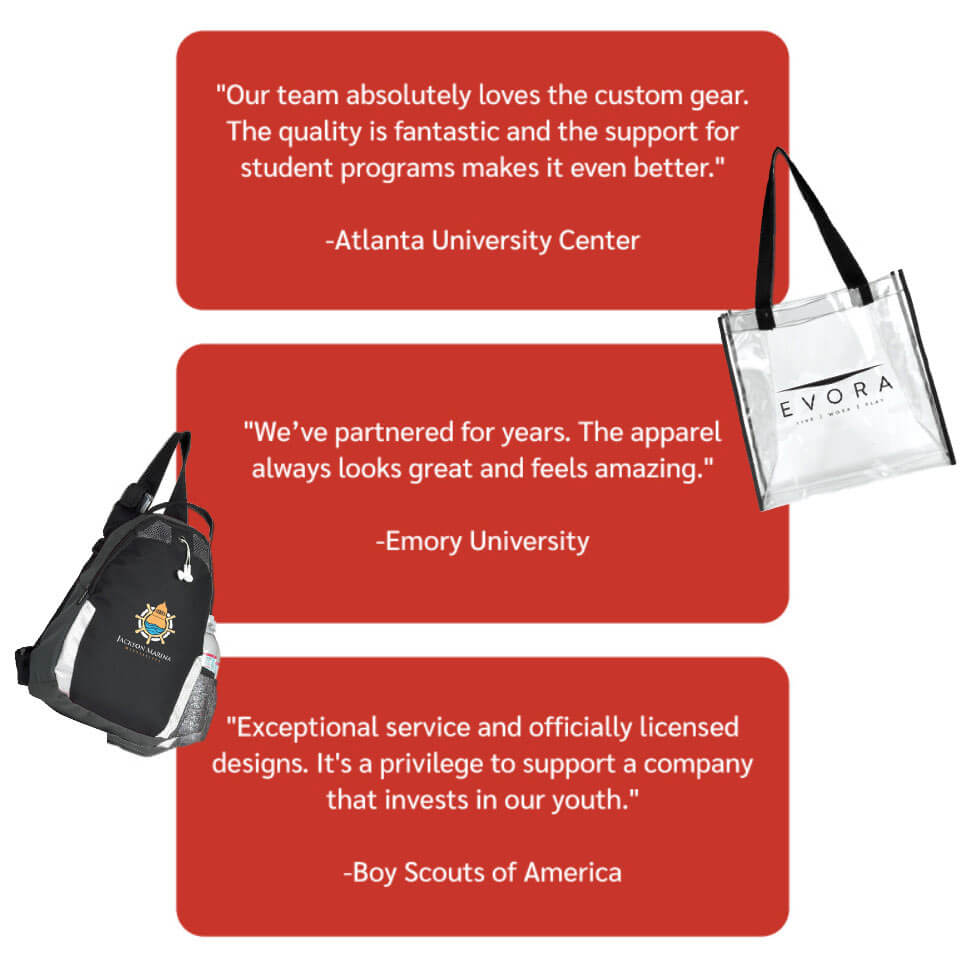
Here’s an example from a client’s newsletter displaying testimonials. Word of Mouth can greatly boost your perceived value in the eyes of the customer. This helps them make a better informed decision on to why they should choose you, solely based on how others perceive you.
How Much Does Business Branding Cost?
Business branding costs anywhere from under $500 for a DIY setup to $25,000 or more at a large agency. Most small businesses land between $1,500 and $10,000 for a full identity with guidelines.
| Option | Typical cost | Typical time | What you get | Best for |
|---|---|---|---|---|
| DIY with templates | $0 to $500 | 1 to 2 weeks | Basic logo and colors | Testing a new idea |
| Freelance designer | $1,500 to $5,000 | 3 to 6 weeks | Logo, colors, fonts, basic guide | New and growing small businesses |
| Brand studio | $5,000 to $20,000 | 6 to 10 weeks | Strategy, full identity, guidelines, templates | Businesses ready to charge more |
| Large agency | $25,000 and up | 3 to 6 months | Research, strategy, full system, rollout | Big teams with big budgets |
What moves the price:
- How much strategy work comes first
- How many logo versions and file types you get
- Whether guidelines and templates are included
- How many design rounds are built in
- The rights you get to use the work
Brandingmag also points out that cost depends on your market and the level you want to play at.
No single number fits everyone.
DIY vs. Hiring a Designer for Your Brand
DIY works when you’re testing an idea on a small budget. Hire a designer when your brand needs to look established, work in many places, or support higher prices.
| Factor | DIY | Hire a designer |
|---|---|---|
| Upfront cost | Low | Higher |
| Time | Your nights and weekends | Their time, your feedback |
| Look | Often resembles other template users | Built for your business |
| Strategy | Usually skipped | Built in |
| Growth | Needs rework as you scale | Built to stretch |
| Files | Often limited | Full set for print and web |
| Risk | You pay twice if it needs a redo | Lower, with a clear process |
When an owner tells me they want it quick and cheap, I ask one question: What is one thing you spent a long time building that mattered to you? How did it turn out? Most people pause. Then they get it. Good things take time. A reputation does too.
If you’re in Metro Atlanta and weighing it, I wrote about hiring a professional logo designer in Atlanta. A middle path works well too. Pay a pro for strategy and the core identity, then make your own social templates from their guide.
6 Branding Mistakes to Avoid
The most common business branding mistakes are skipping strategy, changing only the logo, copying competitors, using too many styles, ignoring guidelines, and never reviewing.
Here’s how each one hurts you.
- Skipping strategy. Pretty visuals can’t fix a fuzzy message. Start with who you serve and what you promise.
- Changing only the logo. A new logo on top of old chaos fixes nothing. Update the colors, voice, and templates too.
- Copying competitors. If you look like everyone else, you compete on price.
- Using too many styles. Five fonts and ten colors confuse people. Keep it tight.
- Ignoring guidelines. Without rules, your brand drifts a little more every month.
- Never reviewing. Your business changes. Your brand has to keep up.
For logo-specific slip-ups, see 10 logo design mistakes to avoid.
Business Branding FAQ
What is business branding?
Business branding is the process of shaping how people see and feel about your company. It includes your name, logo, colors, voice, and customer experience. Strong business branding shows up the same way everywhere a customer meets you.
Why is branding important?
Business branding builds trust, helps people remember you, and supports higher prices. In one 2021 survey reported by Canva, 52% of people said they would pay more for brands that share their values. It also gives your team clear rules, which saves time.
How much does business branding cost?
Branding costs from under $500 for DIY to $25,000 or more for a large agency. Most small businesses spend between $1,500 and $10,000 for a full identity with guidelines. The price depends on strategy work, the number of files, how many design rounds you get, and what needs to be managed for strategic application.
What is the difference between branding and marketing?
Business branding decides who you are, how you look, and how you sound. Marketing is how you promote that brand through ads, email, and social posts. Branding comes first, so your marketing has something clear to say.
How long does branding take?
A DIY refresh can take one to two weeks. A full identity with a freelancer or studio often takes three to ten weeks. Large agency projects can run three to six months. Clear feedback and fast decisions shorten any timeline.
How often should a business update its branding?
Review your business branding once a year. Refresh it when your offer, audience, or look no longer matches your business. Small updates, like new photos or colors, are often enough. Full rebrands are rare.
Can a small business do its own branding?
Yes. A small business can handle the basics with templates and a clear plan. Many owners hire a designer later, once they’re ready to charge more or grow into new places. A one-page guide keeps DIY work consistent.
What is the difference between branding and personal branding?
Business branding shapes how people see a company. Personal branding shapes how people see one individual, such as a founder or consultant. Solo owners often blend the two, so their name, face, and company brand need to match.
Final Thoughts on Business Branding
Business branding comes down to seven parts: strategy, name, visual identity, voice, guidelines, customer experience, and consistency. Build them in order, write them down, and use them everywhere. Mailchimp showed that a brand with real personality can grow up without losing itself. You can do the same at your own size.
Even a one-page guide changes how your business shows up. Small steps add up fast.
If I could leave you with one idea, it’s this — Branding goes beyond your visuals. It covers how you make people feel and the value you give them.
Get a little obsessed with helping your customers. Give first. Find out what they want and help them get it. That is one of the best shortcuts I know. If you help enough people get what they want, you’ll eventually get what you want.
One last thing. Trust the process. Brand building works. It just takes time to compound. And you don’t have to build it alone. A partner who knows the space you don’t can carry part of the load and back your mission.
Pull up your website and your Instagram profile side by side. Would a stranger think they belong to the same business?
Ready for a brand you’re proud to show off?
Get a custom design system built around your business.
About the Author
